
UK Guide to Regrowth and Treatment Options
Dealing with a thinning crown or a receding hairline can be a difficult experience for many, especially for men. While hair loss in men is incredibly common, it often feels personal and frustrating. The good news is that understanding why it happens is the first step toward finding a solution that works perfectly well for you.
In the UK, millions of men experience some form of hair thinning by the time they reach their 30s or 40s. This guide explores the causes, lifestyle changes, and evidence-based treatments available to help you manage your hair health with confidence.
Quick Answer: How can men recover hair loss?
- Start early: Treatments are most effective when hair follicles are still active.
- Try Minoxidil: An over-the-counter scalp treatment to stimulate regrowth.
- Consult a GP: Discuss prescription options like Finasteride for male pattern baldness.
- Improve nutrition: Ensure your diet is rich in protein, iron, and biotin.
- Manage stress: High cortisol levels can push hair into a “resting” phase.
- Scalp care: Use gentle shampoos and avoid harsh chemical treatments.
What causes hair loss in men?
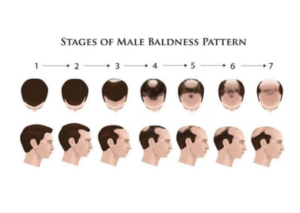
To understand hair loss in men, we have to look at biology. For the vast majority, the cause is Androgenetic Alopecia, more commonly known as male pattern baldness.
This condition is primarily caused by
- Genetics: If your father or grandfather experienced thinning, you are more likely to as well.
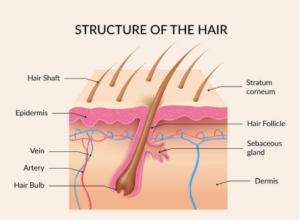
- Hormones: A hormone called DHT (dihydrotestosterone) can cause hair follicles (small, tunnel-shaped, microscopic organs located in the skin’s dermal layer that grow and anchor hair) to shrink over time, making hair grow back thinner and shorter until it stops altogether.
- Age: As we get older, the natural cycle of hair growth slows down for everyone.
Early signs of thinning hair
Recognising the early stages of hair loss in men allows you to take action before the follicles become dormant. Look out for these common patterns:
- A Receding Hairline: You may notice the hair around your temples moving backwards, often creating an “M” shape.
- Thinning at the Crown: The hair on the top of your head may feel finer, or you might notice your scalp becoming more visible under bright lights.
- Overall Thinning: Some men experience a general loss of volume across the entire scalp rather than in one specific spot.
Can men recover hair loss naturally?
While genetics play a huge role, your environment and lifestyle can dictate how quickly hair thinning progresses. You can support your hair loss in men prevention strategy by focusing on
- Nutrition: Hair is made of a protein called keratin. Ensuring you eat enough lean protein, leafy greens (for iron), and eggs (for biotin) supports the building blocks of hair.
- Scalp Massage: Gently massaging the scalp may improve blood flow to the follicles, though this is a supportive habit rather than a primary cure.
- Stress Management: Severe stress can trigger a temporary type of shedding called Telogen Effluvium. Finding time to “rest and recharge,” perhaps with a walk along the River Avon, can do wonders for your overall health.
Proven treatments for male pattern hair loss in the UK
If lifestyle changes aren’t enough, there are several clinically proven options available in the UK to help stop the progression of thinning.
Minoxidil (Over-the-Counter)
Minoxidil is a liquid or foam applied directly to the scalp twice a day. It works by increasing blood flow to the hair follicles, which can help “wake up” thinning hair and encourage regrowth. You can find this in most local pharmacies without a prescription.
Finasteride (Prescription Only)
Finasteride is a daily tablet that works by blocking the production of DHT, the hormone responsible for shrinking hair follicles. Because it affects hormones, it is a prescription-only medication in the UK and requires a consultation with a GP or pharmacist to ensure it is safe for you.
Hair Transplant Overview
For more permanent results, some men opt for a hair transplant. This involves taking healthy hair follicles from the back of the head and moving them to thinning areas. While effective, it is a surgical procedure and can be quite an investment.
Low-Level Laser Therapy (LLLT)
This involves using special caps or combs that emit red light to stimulate cellular activity in the scalp. Some men find this helpful as a non-invasive addition to their routine.
Daily habits that support hair regrowth
Consistency is key when managing hair loss in men. Small daily choices can help keep your remaining hair looking its best
- Be Gentle: Avoid vigorous towel-drying or pulling your hair into tight styles.
- Sleep Well: Your body repairs itself during sleep. Chronic sleep deprivation can lead to physical stress that impacts hair health.
- Stay Hydrated: Just like a plant, your hair needs hydration to maintain its strength and elasticity.
Frequently Asked Questions (FAQs)
Can hair grow back after thinning?
Yes, if the hair follicle is still alive, it is often possible to regrow hair or at least thicken existing strands. Once a follicle has completely stopped producing hair for a long time, regrowth becomes much harder.
What is the best treatment for hair loss in men?
For most men, a combination of Minoxidil and Finasteride is considered the gold standard for stopping thinning and encouraging regrowth. However, the “best” treatment depends on your specific health profile.
How long does Minoxidil take to work?
You usually need to use Minoxidil consistently for at least 3 to 6 months before you see a visible difference. Patience is essential.
Does stress cause hair loss?
Yes, high levels of stress can push hair into a resting phase, leading to increased shedding. Usually, this type of hair loss is temporary and grows back once the stress is managed.
When should I see a GP about hair loss?
You should speak to a professional if your hair loss is sudden, happens in patches, or is accompanied by an itchy or painful scalp.
Conclusion
Understanding hair loss in men doesn’t have to be overwhelming. By identifying the signs early and exploring the right treatment options from NHS-aligned lifestyle changes to clinical treatments, you can take control of your hair’s future.
Whether you choose to use a male pattern baldness treatment or simply focus on better daily habits, remember that you aren’t alone in this journey.
If hair loss is affecting your confidence or worsening over time, speak to a pharmacist, GP, or hair specialist for personalised advice.
If you need professional advice for a wide variety of services, contact the Rother Care Pharmacy Team in Stratford-upon-Avon.
→ Book Now