
MenB Vaccine vs MenACWY Vaccine: What’s the Difference?
Are You Fully Protected Against Meningitis Before University?
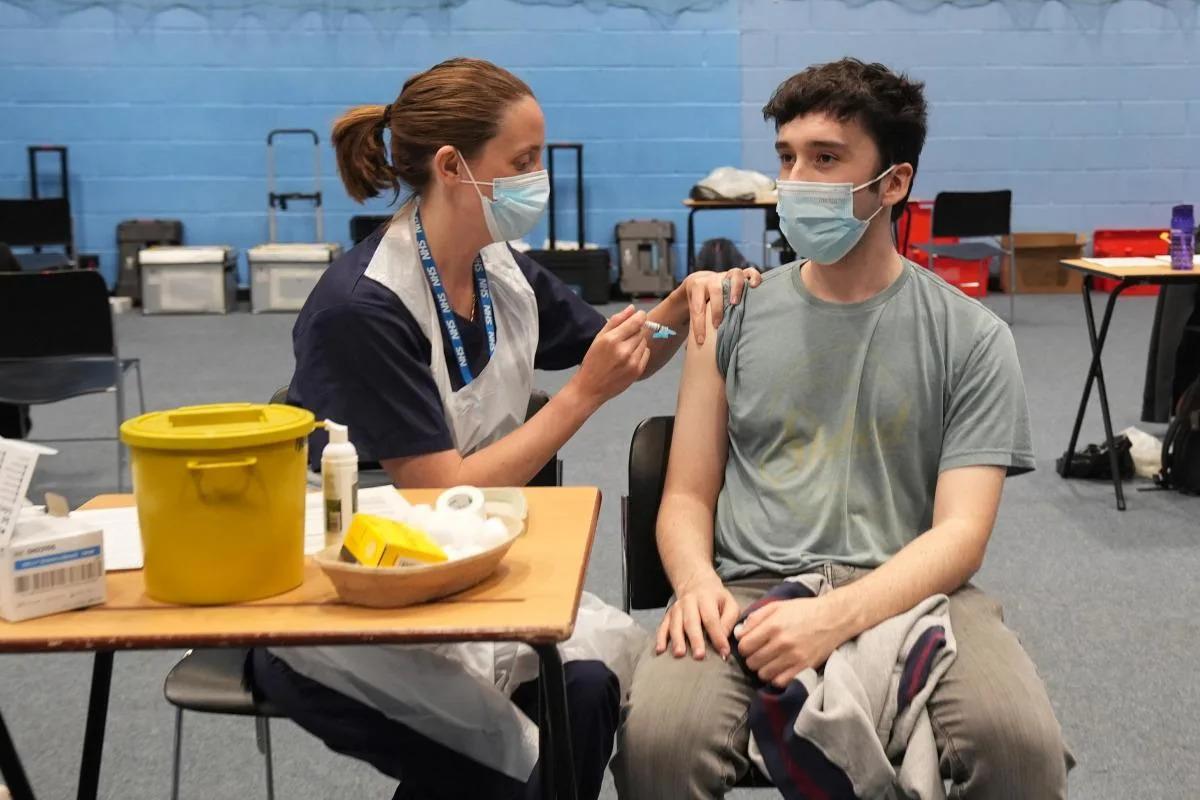
Preparing for university often involves arranging accommodation, organising finances, and planning for a new chapter of independence. However, one important health check is frequently overlooked: ensuring your meningitis vaccinations are up to date.
Many students believe they are fully protected because they received a meningitis vaccine at school. However, one of the most common misconceptions is that the MenACWY vaccine and the MenB vaccine provide the same protection.
In reality, these vaccines protect against different types of meningococcal bacteria. Having one vaccine does not mean you are protected against the strains covered by the other.
For students moving into university halls, shared accommodation, or residential colleges, understanding the difference between MenB and MenACWY can help you make informed decisions about your health before the academic year begins.
What Is Meningococcal Disease?
Meningococcal disease is caused by the bacterium Neisseria meningitidis. Although uncommon, it can cause serious infections, including:
- Meningitis (infection of the protective membranes around the brain and spinal cord)
- Septicaemia (blood poisoning)
- Severe bloodstream infections
These conditions can become serious quickly and require urgent medical attention.
Several groups of meningococcal bacteria exist. The groups most commonly associated with disease in the UK include:
- Group A
- Group B
- Group C
- Group W
- Group Y
Because these groups are biologically different, separate vaccines are needed to provide protection against them.
What Is the MenB Vaccine?
The MenB vaccine helps protect against meningococcal Group B bacteria.
Group B has historically been one of the most common causes of invasive meningococcal disease in the UK, particularly among infants, teenagers, and young adults.
The MenB vaccine used in the UK is commonly known as Bexsero®.
The NHS routinely offers MenB vaccination during infancy. More recently, additional vaccination opportunities have been introduced for eligible young people and university entrants.
MenB Vaccine Quick Facts
| Feature | MenB Vaccine |
|---|
| Protects Against | Group B |
| Common Brand | Bexsero® |
| Routine NHS Schedule | Infancy |
| Live Vaccine | No |
| Protects Against A, C, W, Y | No |
What Is the MenACWY Vaccine?
The MenACWY vaccine protects against four different meningococcal groups:
- Group A
- Group C
- Group W
- Group Y
Most students in the UK receive MenACWY through the routine NHS school vaccination programme during Year 9.
The vaccine helps reduce the risk of disease caused by these four groups.
MenACWY Vaccine Quick Facts
MenB vs MenACWY: What’s the Difference?
The most important point to understand is that these vaccines are not interchangeable.
MenB Protects Against:
✔ Group B
MenACWY Protects Against:
✔ Group A
✔ Group C
✔ Group W
✔ Group Y
MenACWY Does NOT Protect Against:
✘ Group B
MenB Does NOT Protect Against:
✘ Group A
✘ Group C
✘ Group W
✘ Group Y
This means that receiving MenACWY at school does not automatically provide protection against MenB.
Why Are University Students Considered Higher Risk?
University life creates opportunities to meet new people, make friends, and enjoy a vibrant social environment.
However, close-contact living environments can also increase the opportunity for bacteria to spread.
Examples include:
- Student halls of residence
- Shared houses
- Residential colleges
- Large social gatherings
- Shared kitchens and communal areas
Meningococcal bacteria can spread through close personal contact, including coughing, sneezing, kissing, and sharing drinks or eating utensils.
This is one reason why the NHS encourages students to review their vaccination status before starting university.
Watch: MenB vs MenACWY Vaccine Explained for University Students
Recommended Video:
Disclaimer
Video content is provided for educational purposes only and does not replace professional medical advice. Vaccination eligibility and recommendations should always be confirmed through official NHS guidance or a qualified healthcare professional.
NHS Vaccination Recommendations for Students
The NHS recommends that eligible young people receive the MenACWY vaccine if they missed their school vaccination.
In addition, eligible university entrants may be offered MenB vaccination through NHS programmes.
Eligibility can change over time, so students should always check the latest NHS guidance or speak with a healthcare professional.
If you are unsure whether you have received MenB, MenACWY, or both vaccines, it is worth reviewing your vaccination records before the start of term.
How to Check Your Vaccination History
Many students are unsure which vaccinations they received as children or teenagers.
You can usually check your records by:
- Accessing your NHS App account
- Contacting your GP surgery
- Reviewing your childhood health record (Red Book)
- Speaking with a healthcare professional
Checking your vaccination history before moving away from home can help identify whether any vaccinations may be outstanding.
Common Side Effects
Like all medicines and vaccines, MenB and MenACWY vaccines can cause side effects.
Most side effects are mild and temporary.
Common side effects may include:
- Pain or tenderness at the injection site
- Mild swelling or redness
- Headache
- Tiredness
- Muscle aches
- Mild fever
Most people recover within a few days without any treatment.
If you have concerns about side effects or vaccine suitability, speak to a qualified healthcare professional.
Symptoms of Meningitis: When to Seek Urgent Help
Vaccination can significantly reduce the risk of certain types of meningococcal disease, but no vaccine protects against every cause of meningitis.
Students should be aware of symptoms that require urgent medical attention.
Seek immediate medical help if someone develops:
- A high temperature
- Severe headache
- Stiff neck
- Sensitivity to light
- Drowsiness or confusion
- Vomiting
- Cold hands and feet
- A rash that does not fade under pressure
Prompt assessment and treatment are essential.
Preparing for University? Don’t Forget Your Travel Vaccinations
Many university students travel abroad during summer holidays, exchange programmes, volunteering projects, internships, or gap-year adventures.
Depending on your destination, you may require additional vaccinations before travelling.
At Rother Care Pharmacy, students can access professional travel health advice and vaccination services to help prepare for international travel.
Related Service: Travel Vaccinations
https://rothercarepharmacy.co.uk/service/travel-vaccinations/
Healthcare Support for Students in Stratford-upon-Avon
Starting university often means taking greater responsibility for your own healthcare.
At Rother Care Pharmacy, our team provides accessible healthcare support for students and local residents, including:
- Travel vaccination consultations
- Health MOT services
- Blood pressure checks
- Prescription support
- Medication advice
- NHS and private healthcare services
Whether you are preparing for university, travelling abroad, or simply reviewing your vaccination history, professional advice is available when needed.
Related Services:
Travel Vaccinations:
https://rothercarepharmacy.co.uk/service/travel-vaccinations/
Health MOT:
https://rothercarepharmacy.co.uk/service/health-mot/
Prescription Delivery:
https://rothercarepharmacy.co.uk/service/prescription-delivery/
Frequently Asked Questions
Do university students need both MenB and MenACWY?
Vaccination requirements depend on individual circumstances and vaccination history. Students should review their records and seek professional advice regarding eligibility.
Can MenB and MenACWY vaccines be given at the same appointment?
Healthcare professionals can advise on appropriate vaccination schedules and whether vaccines can be administered during the same visit.
How do I know if I received MenACWY at school?
You can check your vaccination records through the NHS App, your GP surgery, or your personal health records.
Are these vaccines available through the NHS?
Eligibility depends on age, vaccination history, and current NHS guidance. Always check the latest NHS recommendations.
Key Takeaways
- MenB and MenACWY protect against different groups of meningococcal bacteria.
- Receiving MenACWY does not provide protection against MenB.
- Most students receive MenACWY during secondary school.
- University students should review their vaccination records before starting higher education.
- Students who are unsure about their vaccination history should seek advice from a qualified healthcare professional.
- Travel health planning should be considered alongside routine vaccination reviews.
Conclusion
University is an exciting milestone, but it is also a good opportunity to review your health and vaccination records.
Understanding the difference between MenB and MenACWY vaccines can help ensure you are informed about your protection against meningococcal disease. If you are unsure about your vaccination status, speak with a healthcare professional who can review your records and advise based on current NHS guidance.
Medical Disclaimer
This article is intended for general information only and should not be considered medical advice. Vaccination eligibility and NHS programmes may change over time. Always consult a qualified healthcare professional or refer to official NHS guidance for personalised advice.