Heading off to university is an exciting milestone, filled with new experiences, friendships, and opportunities. However, it also introduces new health risks, particularly when living in close quarters like student halls. One of the most crucial health preparations for new students is understanding the Meningococcal B (MenB) vaccine.
Following recent outbreaks across England, the Department of Health and Social Care (DHSC) and NHS England have commissioned a new, time-limited vaccination programme to protect young people before they start university or further education. This comprehensive guide will walk you through everything you need to know about the MenB vaccine, eligibility, and how the service is being delivered.
Understanding the MenB Vaccine
The MenB vaccine (specifically Bexsero® in the UK) is designed to protect against Neisseria meningitidis serogroup B, a bacterium that can cause severe and life-threatening infections. These infections primarily manifest as meningitis (an infection of the protective lining surrounding the brain and spinal cord) and septicaemia (blood poisoning or sepsis).
While MenB disease is relatively rare, it is exceptionally dangerous. It can develop with terrifying speed—sometimes within just a few hours—and can lead to catastrophic outcomes, including brain damage, hearing loss, limb amputation, or even death.
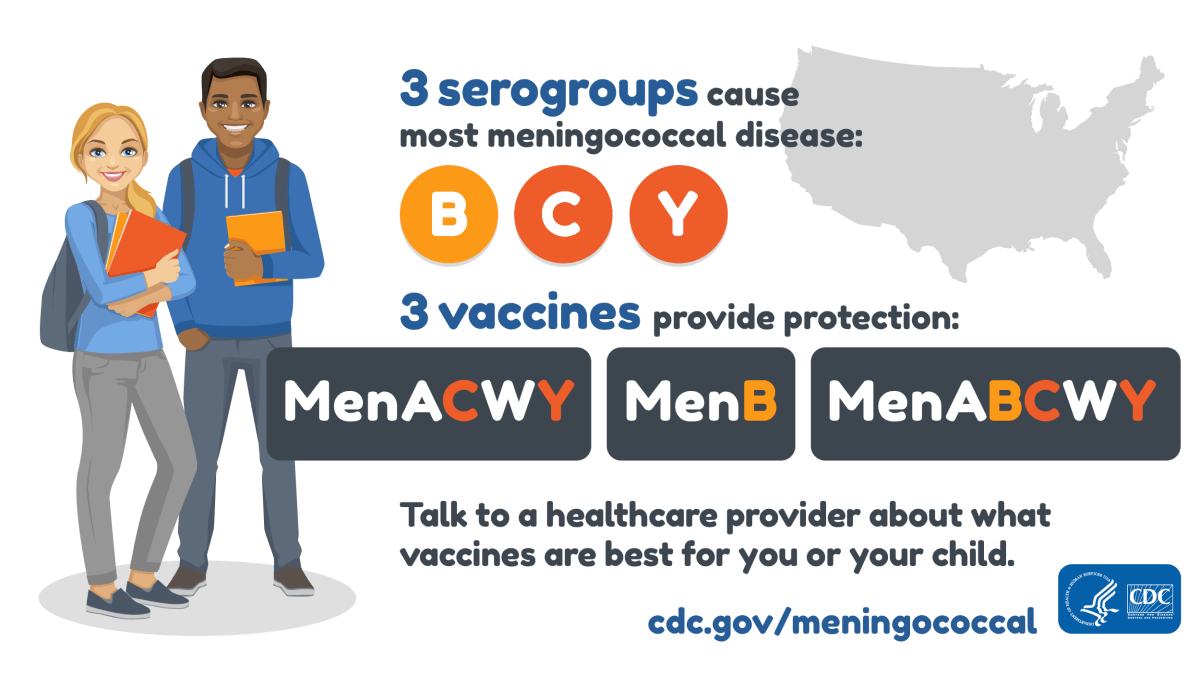
It is important to note that the MenACWY vaccine, which many teenagers receive in school around age 14, protects against four different strains (MenA, MenC, MenW, and MenY) but does not protect against MenB . Therefore, getting the MenB vaccine is essential for comprehensive protection.
The 2026 NHS MenB Vaccination Programme
In response to several MenB outbreaks linked to universities and social settings in early 2026, NHS England introduced a critical, time-limited vaccination initiative. Running from 20 July 2026 to 31 March 2027, this programme aims to deliver approximately 1 million vaccinations across England .
Service Specification and Delivery
The service specification for the Meningococcal B (MenB) Vaccination Service has been published by NHS England. The vaccination service is being commissioned as a new, one-off Advanced service, specifically targeted to protect young people heading to universities or residential further education settings ahead of the start of term in autumn 2026 .
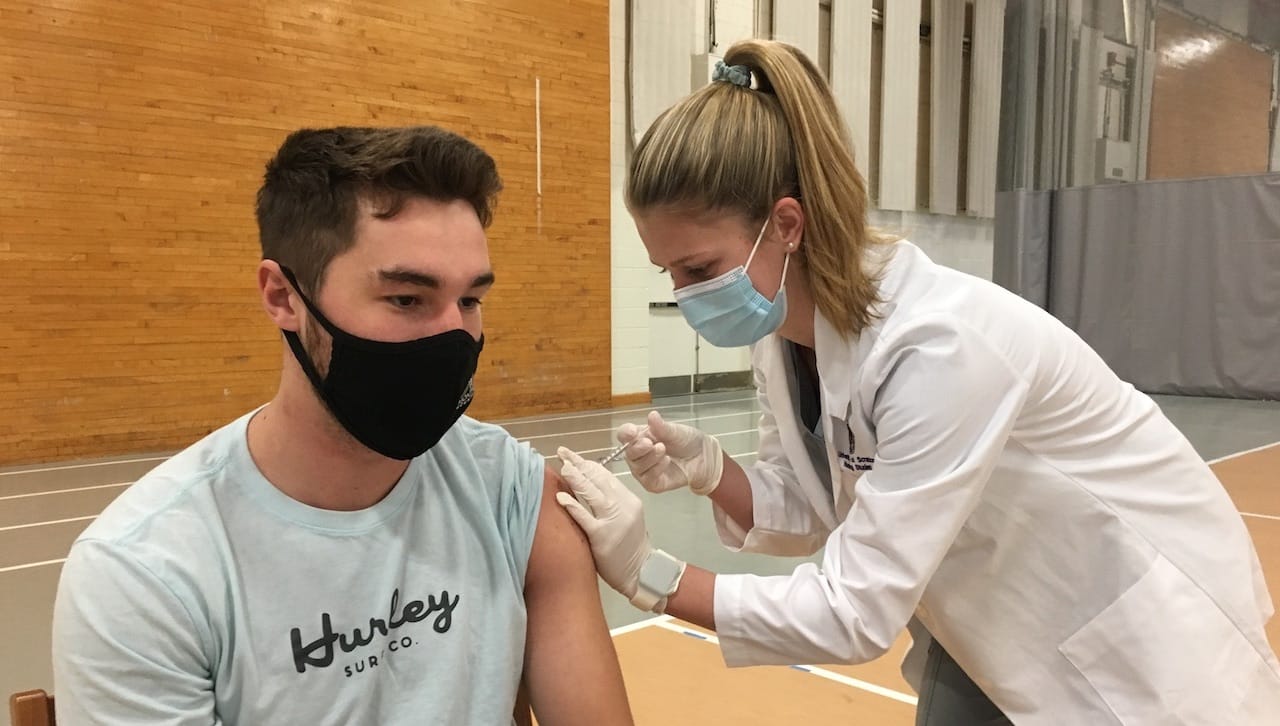
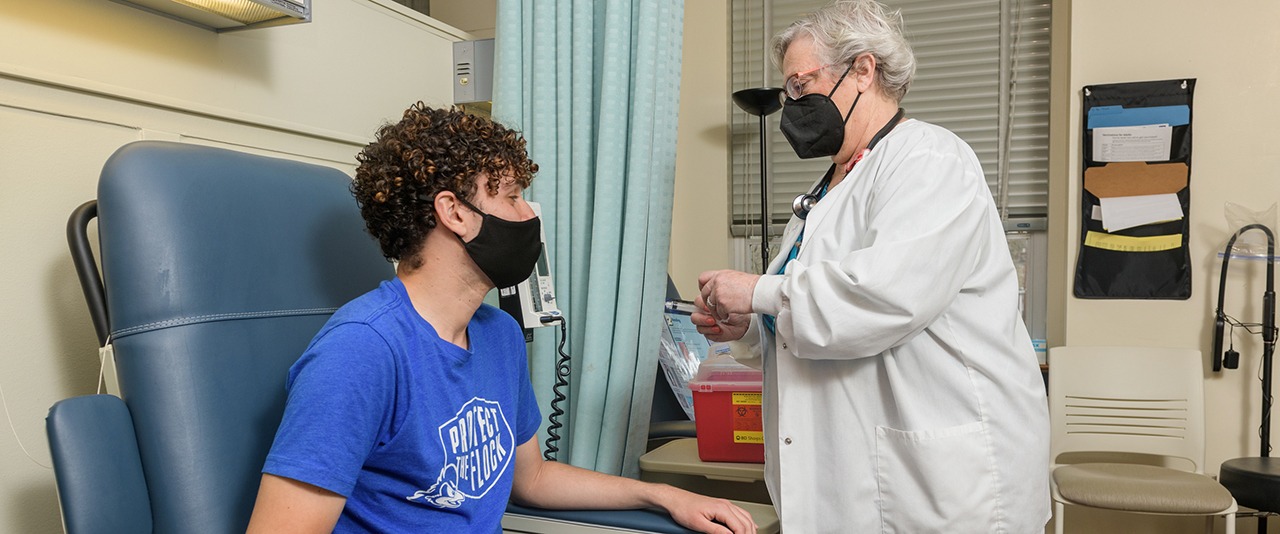
For the first time, participating community pharmacies across England are authorized to provide these free NHS MenB vaccinations to eligible young people. You can find more details on the official NHS England announcement here.
Why Are University Students at Higher Risk?
Students, particularly those in their first year of university, face a significantly higher risk of MenB infection compared to their non-university peers
This elevated risk is due to their living environments:
•University Halls and Shared Accommodation: Close proximity makes it easier for bacteria to spread.
•Crowded Social Environments: Frequent interaction with large groups of new people.
•Social Behaviors: Sharing drinks, utensils, or intimate contact (like kissing) facilitates the transmission of respiratory droplets, which is how MenB bacteria spread.
As reported by BBC News, the government’s decision to offer the vaccine to one million young people is a direct response to the increased vulnerability of this demographic.
Vaccination Schedule and Timeline
Dose
Recommended Timing
Purpose
First Dose
July – August 2026
Initiates the immune response.
Second Dose
At least 28 days after the first dose
Boosts and solidifies immunity.
Full Protection
2 weeks after the second dose
Complete immune development takes about six weeks total.
Achieving full protection requires a specific timeline, making early action crucial. Pharmacy owners are being asked to administer two doses of the MenB vaccine to provide full protection to eligible patients.
The NHS strongly recommends receiving both doses before the autumn university term begins to ensure maximum protection from day one of campus life. The vaccine will be provided to pharmacies by NHS England from centrally procured stock .
Eligibility for the Free NHS MenB Vaccine
The NHS programme specifically targets those most at risk. You are eligible for a free MenB vaccine if you fall into one of the following categories :
1.Year 13 Students (Aged 17–18): Those born between 1 September 2007 and 31 August 2008 who are registered with a GP in England.
2.New University Students (Under 25): Undergraduate students entering university for the first time in Autumn 2026.
3.Further Education Students (Under 25): Young people entering residential further education accommodation for the first time.
Note: This programme also covers international students under 25 years old entering their first year of university.
News Coverage and Video Resources
To better understand the urgency of this programme and the recent outbreaks, several news outlets have covered the topic extensively.
Watch: Meningitis B vaccine rollout expanded
Coverage on the expansion of the vaccine rollout as cases continued to rise, highlighting the importance of the NHS intervention.
Recognizing the Signs of Meningitis
Vaccination is the best defense, but knowing the symptoms can save a life. Meningitis symptoms can develop rapidly and often mimic the flu.
Common Symptoms Include:
High fever
Severe headache
Stiff neck
Dislike of bright lights (photophobia)
Nausea or vomiting
Cold hands and feet
Pale, blotchy skin
A rash that does not fade when you press a clear glass against it (the “glass test”)
If you suspect meningitis, seek urgent medical help immediately. Do not wait for a rash to appear. For more detailed information on meningitis symptoms, please visit the NHS website here.
Conclusion
Starting university is an adventure, but protecting your health is paramount. The NHS MenB vaccination programme offers a crucial lifeline for students entering communal living environments. By booking your appointment early and ensuring you receive both doses, you can significantly reduce your risk of a potentially life-threatening infection. Stay safe, stay informed, and have a fantastic university experience.
While Year 13 students will be contacted directly by the NHS, new university and further education students can get the vaccine at participating community pharmacies across England. You do not need to be registered with a GP to use the pharmacy service . You can book your appointment directly through the NHS booking portal.
You should still seek vaccination as soon as possible. While it is ideal to be fully protected before arriving on campus, getting vaccinated during your first term will still provide vital protection.
Like all vaccines, the MenB vaccine can cause mild, short-lived side effects. The most common reactions include pain, redness, or swelling at the injection site, headache, fatigue, nausea, and muscle aches . These typically resolve within 24 to 48 hours. Over-the-counter pain relief like paracetamol can help manage discomfort.
No. The MenB vaccine specifically targets Meningococcal Group B bacteria. Meningitis can also be caused by other bacteria (like MenA, C, W, and Y), viruses, or fungi. It remains vital to be aware of the signs and symptoms of all forms of meningitis.
To provide the best experiences, we use technologies like cookies to store and/or access device information. Consenting to these technologies will allow us to process data such as browsing behavior or unique IDs on this site. Not consenting or withdrawing consent, may adversely affect certain features and functions.
Functional
Always active
The technical storage or access is strictly necessary for the legitimate purpose of enabling the use of a specific service explicitly requested by the subscriber or user, or for the sole purpose of carrying out the transmission of a communication over an electronic communications network.
Preferences
The technical storage or access is necessary for the legitimate purpose of storing preferences that are not requested by the subscriber or user.
Statistics
The technical storage or access that is used exclusively for statistical purposes.The technical storage or access that is used exclusively for anonymous statistical purposes. Without a subpoena, voluntary compliance on the part of your Internet Service Provider, or additional records from a third party, information stored or retrieved for this purpose alone cannot usually be used to identify you.
Marketing
The technical storage or access is required to create user profiles to send advertising, or to track the user on a website or across several websites for similar marketing purposes.