

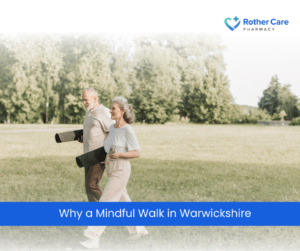
Do you feel like life is moving faster in 2026? Between work, family schedules, and the constant noise of social media, it is easy to feel “burnt out.” Sometimes, the best way to fix a busy mind isn’t a complicated medical treatment, it’s a simple mindful walk in Warwickshire.
Our county is famous for its history, but its greatest health secret is its green spaces. From the quiet banks of the River Avon to the long, leafy paths of the Greenway, Warwickshire offers the perfect backdrop for a mental reset. By slowing down your pace, you can turn a regular stroll into a powerful tool for your well-being.
What Is Mindful Walking?
Most of us walk to “get somewhere.” We are usually checking our phones or thinking about what to cook for dinner. Mindful walking is different. It is about the journey, not the destination.
In simple terms, mindful walking means
- Walking slowly: Not rushing to the shops, but moving at a pace that feels natural.
- Paying attention to breathing: Feeling the air enter and leave your lungs.
- Noticing nature: Actually looking at the blossom on the trees or the way the light hits the water.
- Disconnecting: Putting your phone on silent and leaving the “digital noise” behind.
It’s like a moving meditation. You don’t need to sit cross-legged on a floor; you just need to be present with every step you take on a mindful walk in Warwickshire.
Mental Health Benefits of a Mindful Walk
The mental health walking benefits are backed by serious science. When you walk mindfully, you aren’t just stretching your legs; you are changing your brain chemistry.
Reducing Stress
When we are stressed, our body produces a hormone called cortisol. Constant stress keeps cortisol levels high, which makes us feel anxious. Research shows that walking in nature, often called Forest Bathing, can significantly lower these stress levels.
Calming the Nervous System
Mindful walking moves you out of “Fight or Flight” mode and into “Rest and Digest” mode. By focusing on your surroundings instead of your worries, you tell your nervous system that you are safe. This helps to quiet the “noise in your head.”
Improving Focus
Have you ever had a “brain fog” that won’t lift? A mindful walk helps clear the mental clutter. By focusing on the physical sensation of your feet hitting the ground, you give your brain a break from overthinking.
Physical Health Benefits
While we often focus on the mind, a mindful walk in Warwickshire does good things for the body too. It is a gentle, low-impact way to keep yourself in top shape.
- Heart Health: Regular walking, even at a slow pace, helps lower blood pressure and strengthen the heart.
- Better Sleep: Exposure to natural light during a morning walk helps regulate your “Circadian Rhythm.” This tells your body when it’s time to wake up and when it’s time to sleep.
- Improved Circulation: Moving your muscles helps blood flow more easily around your body, delivering oxygen to your organs.
- Gentle Exercise: For those who find the gym intimidating, mindful walking is a kind way to stay active without putting too much strain on the joints.
Best Places for Mindful Walks in Warwickshire
We are spoilt for choice in this part of the world. If you are looking for nature walks Warwickshire residents love, here are the top picks for a mindful reset:
1. Stratford-upon-Avon Riverside
The water has a natural “blue space” effect that calms the mind. Walking along the Avon, watching the swans and the slow-moving boats, is a perfect way to practice being in the “now.”
2. The Stratford Greenway
This 5-mile traffic-free path is a haven for quiet reflection. Because it is flat and straight, you don’t have to worry about where you are going. You can simply focus on the sound of the wind in the trees.
3. Warwick Castle Park
The large, open spaces around the castle offer a sense of “grandeur” and peace. The ancient trees remind us that life moves in slow cycles, helping our own problems feel a little smaller.
4. Warwickshire Countryside Trails
Areas like the Welcombe Hills offer stunning views. Looking out over the rolling hills helps expand your perspective, which is great for “stuck” thinkers.
How to Practise Mindful Walking
You don’t need any special equipment for a mindful walking practice. You can start today with these five steps
- Slow Your Pace: Walk about half as fast as you normally would.
- Focus on Breathing: Don’t try to change your breath; just notice it. Feel the cool air in your nose and the warm air as you exhale.
- The “5-4-3-2-1” Technique: As you walk, notice 5 things you can see, 4 things you can hear, 3 things you can touch (like a leaf or the wind), 2 things you can smell, and 1 thing you can taste (even just the air).
- Avoid Phone Distractions: Keep your phone in your pocket. If you must have it for safety, turn off notifications.
- Start Small: Even 10–20 minutes of intentional walking can change your entire mood.
Frequently Asked Questions
What is mindful walking?
It is the practice of walking while being fully aware of your body, your breath, and your surroundings, rather than being lost in thought.
How long should a mindful walk be?
There is no set rule, but most people find that 15 to 20 minutes is enough to feel a “shift” in their stress levels.
Does walking help reduce stress?
Yes. Physical movement combined with nature reduces cortisol and releases endorphins, which are the body’s natural “feel-good” chemicals.
Conclusion
Sometimes, the most “productive” thing you can do for your health is to go for a walk and do nothing else. Simple habits like a mindful walk in Warwickshire can make a huge difference to your long-term mental wellbeing.
Our county provides the space; you just have to provide the pause. So, tomorrow morning, put on your walking shoes, head to the riverside or the Greenway, and take a deep breath. Your mind will thank you for it.
At Rother Care Pharmacy, we believe health is about more than just medicine. It’s about how you live, breathe, and move. If you are feeling overwhelmed, walk in to see us for a chat about our wellness services or to find more community health resources.
References
- NHS: Walking for Health
- Mind UK: Nature and Mental Health
- British Heart Foundation: Benefits of Walking
- Harvard Health: Walking for Health Research